Venturing Into Fear
Under Evaluation
Journal Description
Introduction
Horror games are built to do one thing extremely well: make you feel. Whether it’s dread creeping in from the corner of the screen, the tension of not knowing what’s behind the next door, or the sudden jump that makes you yelp and laugh at the same time, horror is an experience you don’t just “play”—you live it for a while.
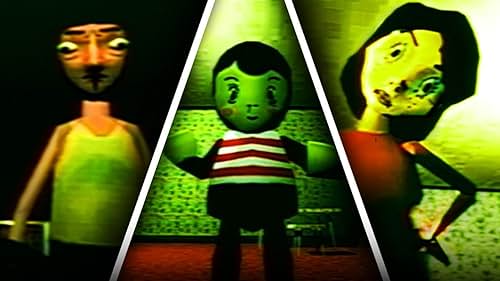
If you’ve ever wanted to try a horror game but felt unsure about what you’re actually supposed to do, you’re in the right place. Let’s walk through a friendly, straightforward way to approach horror gameplay, using Bad parenting as a key example.
The goal isn’t to become fearless. The goal is to enjoy the atmosphere, understand what the game wants you to do, and manage your own comfort level—so the fear stays fun instead of stressful.
Gameplay: How to Jump In and Stay Aware
When you start a horror game, the first few minutes matter. Many players rush through the opening because they want to get to the “scary part.” Ironically, that often makes the experience less enjoyable. Instead, try this:
1) Start slow and listen
Horror games often communicate through sound: distant footsteps, a muffled voice, environmental noise that changes when danger is near. Even if you’re still learning controls, take a moment to hear what’s happening. When you notice patterns—like quieter rooms feeling safer or sharper sounds meaning something is coming—you’ll feel more in control, which makes the fear more thrilling.
2) Read the space like you’re solving a mystery
Games like Bad parenting typically reward observation. Look for small clues: interactable objects, notes, unusual lighting, or areas that seem “off.” Don’t worry if you don’t catch everything at first. Part of the horror experience is discovering details as the tension rises.
3) Move with intention
In horror, wandering can be a trap. Decide where you’re going before you go, and pay attention to your route. If the game makes you revisit areas, treat it like a planned trip rather than a panic run. That mindset reduces random deaths and helps you notice how the environment shifts.
4) Treat fear as feedback
When you feel nervous, it’s not always because you’re doing something wrong. Sometimes the game is simply succeeding at making you cautious. If you get overwhelmed, pause mentally: What exactly am I supposed to do next? Where have I already checked? What changed since I was last safe? Horror games often have rhythms, and identifying that rhythm is half the fun.
| VOLUME | ISSUE | |||||||||||
|---|---|---|---|---|---|---|---|---|---|---|---|---|