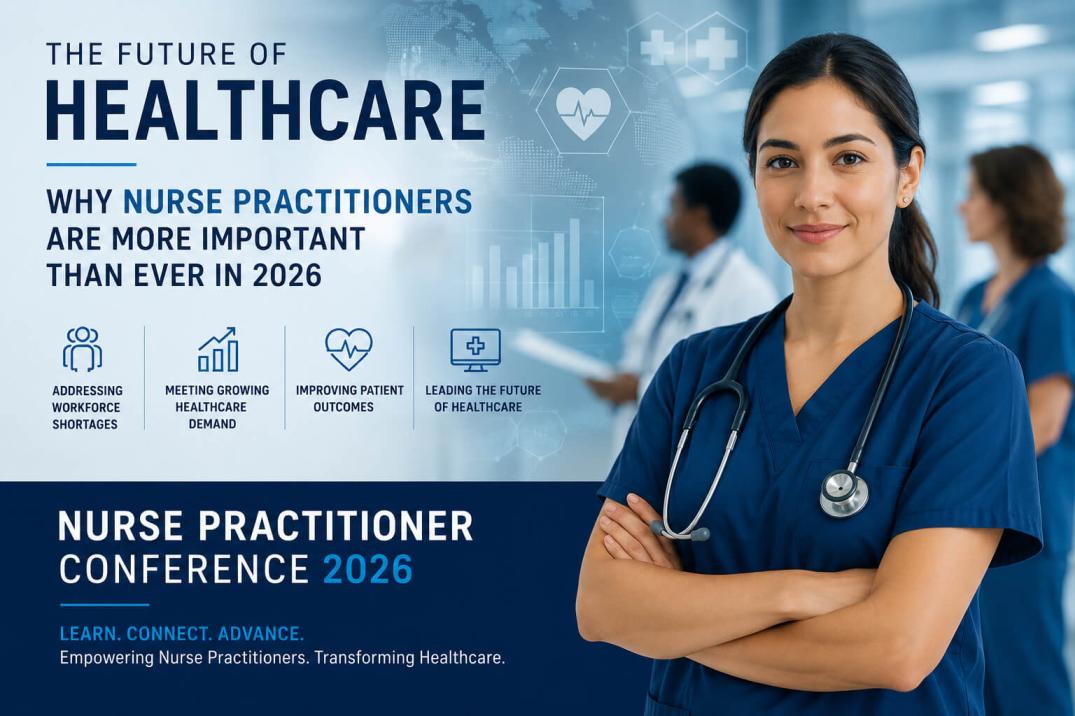
The Future Of Healthcare Why Nurse Practitioners Are More Important Than Ever In 2026
Under Evaluation
Journal Description
Nurse Practitioner Conference 2026 is becoming one of the most searched professional healthcare topics as the global medical industry faces unprecedented workforce shortages, rising patient demand, and rapid technological transformation. In 2026, nurse practitioners (NPs) are no longer viewed as support providers alone—they are now central to the future of primary care, preventive medicine, chronic disease management, mental healthcare, and telehealth services worldwide.
Healthcare systems across the United States and globally are under immense pressure due to physician shortages, an aging population, increasing chronic diseases, and growing healthcare costs. According to the Association of American Medical Colleges (AAMC), the United States could face a shortage of up to 86,000 physicians by 2036, particularly in primary and rural healthcare sectors. At the same time, the U.S. Census Bureau estimates that by 2030, all baby boomers will be over the age of 65, significantly increasing healthcare utilization and long-term medical demand.
As healthcare demand rises, nurse practitioners are stepping into critical leadership roles to bridge these gaps. Their advanced clinical training, ability to diagnose and treat patients, and expanding practice authority are making them one of the fastest-growing healthcare professions in the world.
In this article, we will explore why nurse practitioners are more important than ever in 2026, examine real healthcare workforce trends, review verified industry data, and understand how NPs are reshaping the future of modern healthcare delivery.
The Rising Demand for Nurse Practitioners in 2026
The demand for nurse practitioners has reached historic levels in 2026. According to the U.S. Bureau of Labor Statistics (BLS), employment for nurse practitioners is projected to grow by 45% from 2022 to 2032, making it one of the fastest-growing occupations in the healthcare industry.
Several factors are contributing to this rapid growth:
Increasing physician shortages
Aging populations requiring long-term care
Rising chronic illnesses such as diabetes and heart disease
Expansion of telehealth services
Growing focus on preventive healthcare
Higher healthcare accessibility needs in rural regions
Healthcare providers and hospital systems are increasingly relying on nurse practitioners to improve patient access and reduce the burden on physicians.
Unlike traditional nursing roles, nurse practitioners possess advanced clinical education and can:
Diagnose illnesses
Prescribe medications
Develop treatment plans
Manage chronic diseases
Order diagnostic tests
Provide preventive healthcare services
In many U.S. states, nurse practitioners now have full practice authority, allowing them to operate independently without physician supervision. This policy shift is helping healthcare systems address provider shortages more efficiently.
Physician Shortages Are Reshaping the Healthcare Industry
One of the biggest reasons nurse practitioners are becoming essential is the ongoing physician shortage crisis.
The Association of American Medical Colleges projects a shortage of:
Up to 20,200 surgical specialists
Up to 40,400 primary care physicians
Significant shortages in rural healthcare providers
The shortage is being driven by:
Retiring physicians
Population growth
Increasing healthcare utilization
Burnout among healthcare workers
Limited medical school capacity
Rural communities are among the hardest hit. Millions of Americans live in medically underserved areas where access to doctors is limited. Nurse practitioners are helping close these healthcare gaps by providing accessible and affordable primary care services.
Research published by the National Institutes of Health (NIH) has shown that patient outcomes from nurse practitioner-led care are comparable to physician-led care in many primary care settings. Patients often report:
High satisfaction rates
Improved communication
Better preventive care engagement
Lower hospitalization rates
This growing evidence is accelerating the integration of nurse practitioners into mainstream healthcare systems.
Aging Populations Are Increasing Healthcare Demand
The global population is aging rapidly, creating enormous pressure on healthcare infrastructure.
According to the World Health Organization (WHO), the number of people aged 60 years and older will double globally by 2050. Older adults typically require:
More frequent medical visits
Chronic disease management
Long-term healthcare support
Medication monitoring
Mental health services
Conditions such as:
Hypertension
Diabetes
Alzheimer’s disease
Cardiovascular disease
Arthritis
are becoming more common as populations age.
Nurse practitioners are uniquely positioned to manage these healthcare challenges because they often emphasize:
Preventive care
Patient education
Holistic treatment
Long-term patient relationships
In geriatric and family medicine settings, NPs are increasingly becoming primary care providers for aging populations.
The Expansion of Telehealth Has Increased the Need for Nurse Practitioners
Telehealth transformed healthcare delivery during the COVID-19 pandemic, and its growth continues strongly in 2026.
According to McKinsey & Company, telehealth utilization remains significantly higher than pre-pandemic levels, particularly for:
Primary care
Mental health
Chronic disease follow-ups
Remote consultations
Nurse practitioners are playing a major role in telemedicine expansion because they can:
Conduct virtual consultations
Manage follow-up care
Monitor chronic conditions remotely
Prescribe medications digitally
Improve healthcare access in remote locations
Telehealth is especially important for:
Rural patients
Elderly individuals
Patients with mobility limitations
Underserved communities
The ability of nurse practitioners to provide efficient virtual care is making them indispensable to modern healthcare systems.
Chronic Disease Management Is Driving NP Demand
Chronic diseases remain one of the largest healthcare burdens globally.
According to the Centers for Disease Control and Prevention (CDC):
Six in ten adults in the United States have at least one chronic disease
Four in ten adults have two or more chronic conditions
Chronic diseases account for most healthcare spending and include:
Heart disease
Diabetes
Obesity
Cancer
Respiratory disorders
Managing chronic illnesses requires continuous monitoring, patient education, medication management, and preventive interventions.
Nurse practitioners are highly effective in chronic care management because they often spend more time educating patients and coordinating long-term care plans.
Studies have shown that NP-led chronic disease programs can:
Improve patient adherence
Reduce emergency visits
Lower healthcare costs
Improve long-term patient outcomes
As chronic disease rates continue rising in 2026, nurse practitioners are becoming central to preventive and ongoing healthcare management.
Mental Healthcare Needs Are Increasing Rapidly
Mental healthcare has become one of the fastest-growing sectors within healthcare systems worldwide.
According to the World Health Organization:
Anxiety and depression cases increased significantly after the pandemic
Millions of people globally still lack adequate mental healthcare access
Psychiatric nurse practitioners are increasingly filling this critical care gap.
Mental health NPs can:
Diagnose mental health disorders
Prescribe psychiatric medications
Provide therapy support
Manage long-term treatment plans
The demand for psychiatric nurse practitioners has surged because many regions face severe shortages of psychiatrists.
In 2026, healthcare systems are increasingly integrating mental health services into primary care settings, and nurse practitioners are leading much of this transition.
Nurse Practitioners Are Improving Healthcare Accessibility
Healthcare accessibility remains a major global challenge.
Millions of patients struggle with:
Long appointment wait times
Limited rural healthcare access
High medical costs
Provider shortages
Nurse practitioners are helping solve these problems by delivering cost-effective, patient-centered care.
Research has shown that nurse practitioner-led clinics often:
Reduce patient wait times
Increase preventive screenings
Improve healthcare access
Lower unnecessary emergency room visits
Because NPs typically focus on preventive care and patient education, they can help identify medical conditions earlier, reducing long-term healthcare complications and expenses.
This approach aligns with the healthcare industry's shift toward value-based care models in 2026.
Technology and AI Are Changing the Role of Nurse Practitioners
Artificial intelligence and digital healthcare technologies are transforming modern medicine.
In 2026, healthcare providers are increasingly using:
AI-assisted diagnostics
Electronic health records
Predictive analytics
Remote patient monitoring
Wearable health devices
Nurse practitioners are adapting rapidly to these technologies.
Rather than replacing healthcare professionals, AI is helping nurse practitioners:
Improve diagnostic accuracy
Reduce administrative workload
Enhance patient monitoring
Deliver personalized treatment plans
For example:
Wearable devices can track patient vitals remotely
AI systems can identify early disease risks
Digital platforms can improve chronic disease management
Nurse practitioners who understand digital healthcare technologies are becoming highly valuable across hospitals, clinics, and telemedicine platforms.
Why Preventive Care Is Becoming More Important
Healthcare systems are increasingly prioritizing preventive medicine to reduce long-term treatment costs.
Preventive healthcare includes:
Routine screenings
Vaccinations
Lifestyle counseling
Early disease detection
Nutrition and wellness education
Nurse practitioners are often at the forefront of preventive care because their care model emphasizes:
Patient engagement
Holistic treatment
Long-term wellness
Research consistently shows that preventive care:
Reduces hospitalization rates
Improves quality of life
Lowers healthcare spending
Detects diseases earlier
As governments and healthcare organizations invest more heavily in preventive healthcare strategies, nurse practitioners will continue expanding their influence in community health systems.
Nurse Practitioner Salaries and Career Growth in 2026
The growing demand for nurse practitioners is also driving strong salary growth and career opportunities.
According to recent BLS data:
Median annual NP salaries exceed $125,000 in many regions
Specialized NPs often earn significantly more
Rural healthcare systems increasingly offer competitive compensation packages
High-demand specialties include:
Family nurse practitioners
Psychiatric mental health nurse practitioners
Acute care nurse practitioners
Pediatric nurse practitioners
Gerontology nurse practitioners
Healthcare systems are also offering:
Flexible work environments
Telehealth opportunities
Leadership positions
Continuing education support
The profession is attracting healthcare workers seeking both career stability and meaningful patient impact.
Why Continuing Education Matters More Than Ever
Healthcare is evolving rapidly due to:
Medical advancements
AI integration
Policy changes
Emerging diseases
Digital transformation
As a result, continuing medical education has become essential for nurse practitioners in 2026.
Professional conferences, training programs, and healthcare seminars help NPs:
Stay updated on medical innovations
Learn evidence-based practices
Build professional networks
Improve clinical expertise
Understand regulatory changes
Industry events are increasingly focusing on:
Telehealth advancements
AI in healthcare
Mental health innovations
Preventive medicine
Workforce solutions
Continuous learning is critical for maintaining high-quality patient care in a rapidly changing healthcare environment.
The Global Impact of Nurse Practitioners
The importance of nurse practitioners extends beyond the United States.
Countries worldwide are facing:
Aging populations
Healthcare worker shortages
Rising healthcare costs
Increasing chronic diseases
Many healthcare systems are expanding advanced nursing roles to improve healthcare access and efficiency.
Countries such as:
Canada
Australia
United Kingdom
New Zealand
have increasingly integrated nurse practitioners into primary healthcare systems.
Global healthcare organizations recognize that advanced nursing professionals are essential for achieving sustainable healthcare delivery in the future.
The Future Outlook for Nurse Practitioners Beyond 2026
The future for nurse practitioners looks exceptionally strong.
Healthcare trends indicate continued growth in:
Telemedicine
Preventive healthcare
Mental health services
Chronic disease management
AI-assisted healthcare
Nurse practitioners are expected to:
Take on expanded leadership roles
Gain broader practice authority
Lead community healthcare initiatives
Improve healthcare accessibility globally
As healthcare systems continue adapting to workforce shortages and increasing patient demand, NPs will remain central to healthcare innovation and patient care delivery.
The profession is no longer simply growing—it is becoming foundational to the future structure of modern healthcare.
Conclusion
The healthcare industry in 2026 is undergoing one of the biggest transformations in modern history. Physician shortages, aging populations, chronic disease growth, mental health challenges, and digital healthcare expansion are reshaping how care is delivered worldwide.
Nurse practitioners are emerging as one of the most important solutions to these challenges. Their advanced clinical expertise, patient-centered care approach, adaptability to technology, and growing practice authority are helping healthcare systems meet rising patient demand more effectively.
From telehealth and preventive medicine to chronic disease management and mental healthcare, nurse practitioners are now essential pillars of modern healthcare systems.
As healthcare continues evolving, staying informed about industry trends, medical innovations, and workforce developments is increasingly important for healthcare professionals. Events such as Nurse Practitioner Conferences 2026 provide valuable opportunities for education, collaboration, and professional growth in an industry that is rapidly changing.
| VOLUME | ISSUE | |||||||||||
|---|---|---|---|---|---|---|---|---|---|---|---|---|