Surviving The Night Shift Mastering The Art Of Store Management Fnaf Style
Under Evaluation
Journal Description
Store management games come in all shapes and sizes. From meticulously crafting the perfect grocery store layout to optimizing resource allocation in a bustling hospital, the genre offers a surprising range of strategic challenges. But what if your store was a pizzeria haunted by animatronic horrors? That's the unique twist offered by, essentially, the world of Five Nights At Freddy's. While not traditionally a store management game, the core gameplay loop shares surprising similarities, and we can learn a lot about resource management, prioritization, and staying calm under pressure from this terrifying experience.
Let’s dive into how to play (and survive!) a “store management” scenario inspired by Five Nights At Freddy's, analyzing the core mechanics and offering tips on how to make it through the night. Think of it as a masterclass in unconventional store management, where the "inventory" is your dwindling power supply and the "customers" are… well, let’s just say they’re less than thrilled with the pizza.
Gameplay: A Night of Resourceful Horror
While the game doesn't explicitly ask you to stock shelves or manage employees, the core gameplay revolves around managing resources and mitigating risks, which are fundamental principles of store management. Your "store" is Freddy Fazbear's Pizza, and you’re the night security guard, tasked with keeping things running smoothly… or, at least, preventing any robotic mishaps.
Here's the breakdown of the "store management" aspects:
Resource Management (Power): Your primary resource is electricity. Power is consumed by checking security cameras, closing doors, and activating lights. This is akin to managing a store's electricity bill, only far more crucial for survival. Every action drains the power, and running out means a terrifying encounter with Freddy Fazbear himself. You need to prioritize which cameras to check, which doors to close, and when to conserve energy.
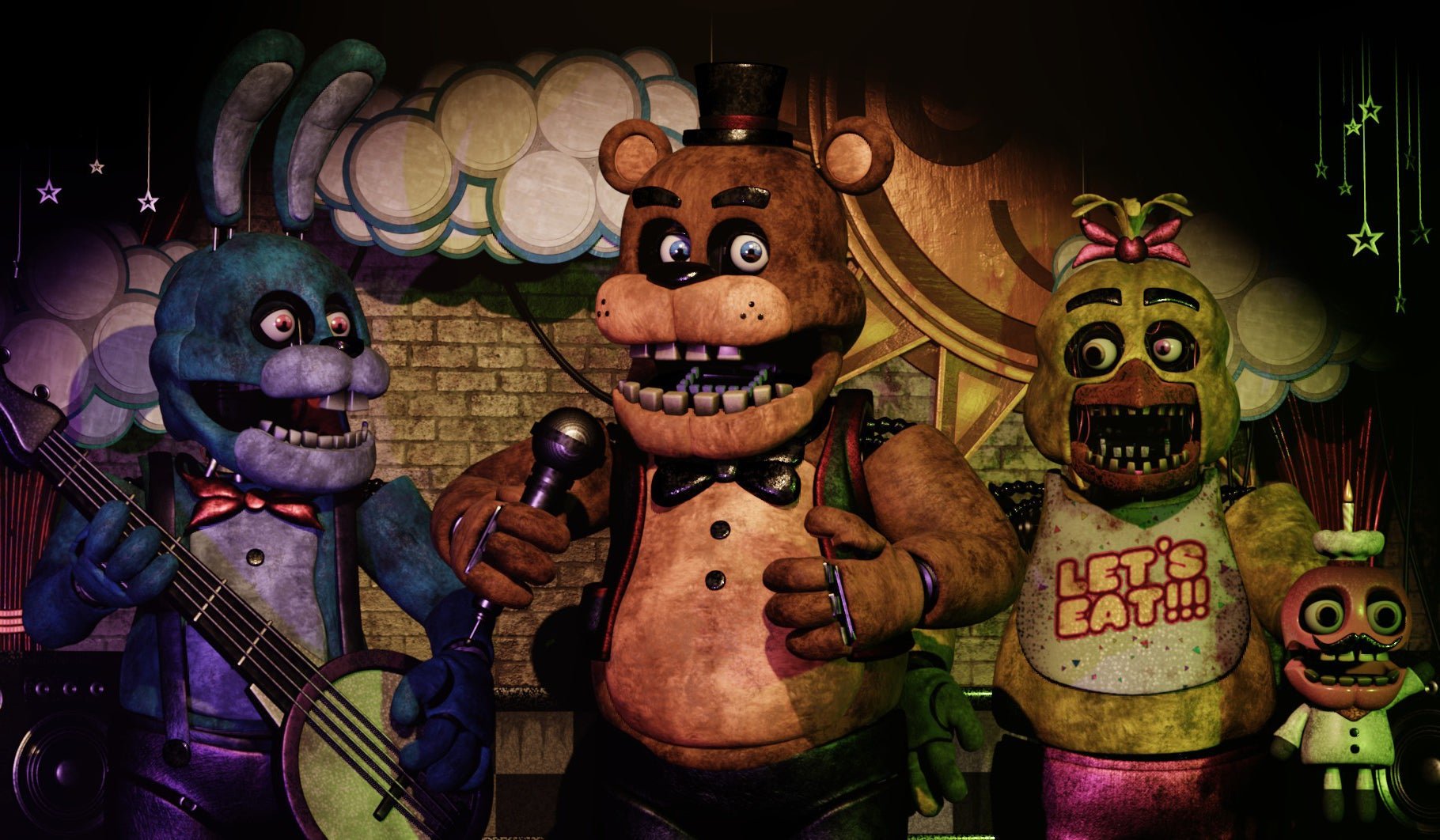
Risk Assessment (Animatronics): Each animatronic represents a different threat. Freddy, Bonnie, Chica, and Foxy all have unique movement patterns and attack strategies. Learning these patterns is crucial for predicting their movements and implementing countermeasures. This is equivalent to identifying potential risks in a real store, like theft, accidents, or even a sudden drop in sales.
Defense Mechanisms (Doors and Lights): You have limited defense mechanisms – two doors and two lights. Closing a door prevents an animatronic from entering, but it consumes power. Turning on the lights allows you to briefly check the hallway outside your office, but it also drains power. These defenses are analogous to security measures in a real store, such as security cameras, alarms, and locked doors.
Information Gathering (Security Cameras): The security cameras provide crucial information about the animatronics' locations. Monitoring them allows you to track their movements and anticipate their attacks. However, checking cameras also consumes power, creating a trade-off between gathering information and conserving resources. This represents the importance of data analysis in store management. You need to track "customer" movements (the animatronics) to optimize your defenses.
Time Management (The Clock): You need to survive from 12 AM to 6 AM, which translates to a real-time period of several minutes. Each hour represents a segment of your "shift," and you need to manage your resources and defenses effectively throughout the entire period.
The gameplay loop involves constantly monitoring the security cameras, anticipating the animatronics' movements, and using your limited resources to defend yourself. It’s a tense and strategic game of cat and mouse, where every decision matters. While simplified, it captures the essence of making difficult choices under pressure, a skill essential in any form of management.
Tips for Surviving the Night (and Mastering "Store" Management):
Prioritize Camera Monitoring: Focus on the cameras that are most likely to reveal the animatronics' locations. Don't waste power checking empty rooms. In a store, this would be like focusing your marketing efforts on the most promising demographics.
Conserve Power: Don't close the doors unless absolutely necessary. Use the lights sparingly to check for nearby animatronics. Imagine this as minimizing unnecessary expenses in your business.
Learn Animatronic Patterns: Understanding how each animatronic moves is crucial for predicting their attacks. Pay attention to their movements and adjust your strategy accordingly. In real life, this is akin to understanding your competitors and adapting to market trends.
Listen Carefully: Pay attention to the audio cues. You can often hear the animatronics moving, which can give you a warning before they appear on camera. This is like actively listening to customer feedback to improve your products and services.
Stay Calm: Panic can lead to poor decision-making. Take a deep breath and assess the situation before reacting. Maintaining composure under pressure is crucial in any management role.
Adapt Your Strategy: What works one night might not work the next. Be prepared to adjust your strategy based on the animatronics' behavior. Flexibility is key to survival (and success in business).
Conclusion: More Than Just a Scare, a Lesson in Management
While Five Nights At Freddy's is primarily a horror game, it offers valuable lessons in resource management, risk assessment, and strategic thinking – all fundamental principles of store management. By understanding the core mechanics of the game and applying these tips, you can increase your chances of surviving the night (and maybe even learn a thing or two about running a business in the process!). So, the next time you find yourself facing a daunting challenge, remember the lessons learned from Freddy Fazbear’s Pizza: prioritize resources, assess risks, and stay calm under pressure. You might just survive the night... or at least, run a successful "store."
| VOLUME | ISSUE | |||||||||||
|---|---|---|---|---|---|---|---|---|---|---|---|---|